
Copy Trading Platforms With Verified Performance: Spot the Fakes

 Prefer us on Google

The best copy trading platforms with verified trader performance are exchanges that calculate trader statistics from on-platform trades they settle themselves and back them with anti-manipulation rules: one account per lead trader, position caps, minimum equity to be listed, and profit sharing tied to follower results. Binance, Bitget, Bybit, OKX and WEEX all compute stats from their own order books, which removes the self-reported screenshot problem. What differs is how hard each makes it to game those numbers. This guide starts with how manipulation actually works, then shows which rules counter it.
How Lead Traders Manipulate Copy Trading Stats
"Verified" only means the trades happened. It does not mean the record represents what a follower will get. The common tricks:
- Account farming. A trader opens several lead accounts with different high-risk strategies, lets most fail quietly, and promotes the one that got lucky. Followers see a winner; the losers are invisible.
- Tiny-balance ROI. A 500% return on a $200 account is easy with high leverage and impossible to replicate with follower money at scale. ROI percentages hide the base.
- Unrealized loss hiding. Some traders close winners quickly and hold losers open, so realized profit and win rate look strong while floating losses grow.
- Martingale sizing. Doubling into losing positions produces long win streaks and smooth equity curves until one move wipes the account.
- Follower front-running. On thin markets, a lead with many followers can open a position, let follower orders push price, then exit into that flow.
Each of these leaves verified, real trades on the record. The defense has to come from platform rules and from how followers read the data.
What Verified Trader Performance Should Include
A trustworthy performance page shows more than ROI and win rate. At a minimum, look for:
- Maximum drawdown over the full history, not just the last 30 days.
- Assets under copy or lead account equity, so a percentage return has a dollar base.
- Trading days and trade count. A short history with few trades is noise.
- Follower profit and loss, which shows what copiers actually earned after slippage and timing gaps.
- Open position exposure, including unrealized losses.
- Update frequency. Stats refreshed hourly or in real time leave less room for stale, flattering numbers.
If a platform shows only ROI, win rate and follower count, treat it as marketing, not verification.
Anti-Manipulation Rules That Actually Work
Platform rules are where the real differences sit. The ones with the most bite:
- One lead account per person. This directly blocks account farming. WEEX's published trader rules state that each trader may register only one copy trading account.
- Position caps. Limiting how many positions a lead can hold at once curbs scattershot strategies. WEEX caps lead traders at 50 open positions, according to its copy trading rule update.
- Minimum equity to be listed. A floor stops tiny accounts from topping ROI leaderboards. On WEEX, a trader must hold more than 500 USDT in the futures account and complete at least one open-and-close trade before appearing in search.
- Clean-slate applications. WEEX requires applicants to have no open positions, orders or active plans in live or demo futures accounts while their application is reviewed, so a new lead cannot carry hidden losses into a fresh record.
- Profit share tied to follower outcomes. WEEX says lead traders receive rebates only after positions are closed and followers are profitable. That aligns incentives better than pay-per-follower models.
- Minimum lead order size. WEEX sets a floor for each copied opening order relative to the contract's minimum size, which reduces dust trades used to pad trade counts.
Other large exchanges use their own versions of these controls, such as lead-trader application reviews, equity thresholds and profit-sharing caps. Rules change often, so check each platform's current copy trading terms rather than relying on a review written months ago.
-- Price
Comparing Platforms on Verification and Protection
All five platforms below calculate lead-trader stats from trades executed on their own systems.
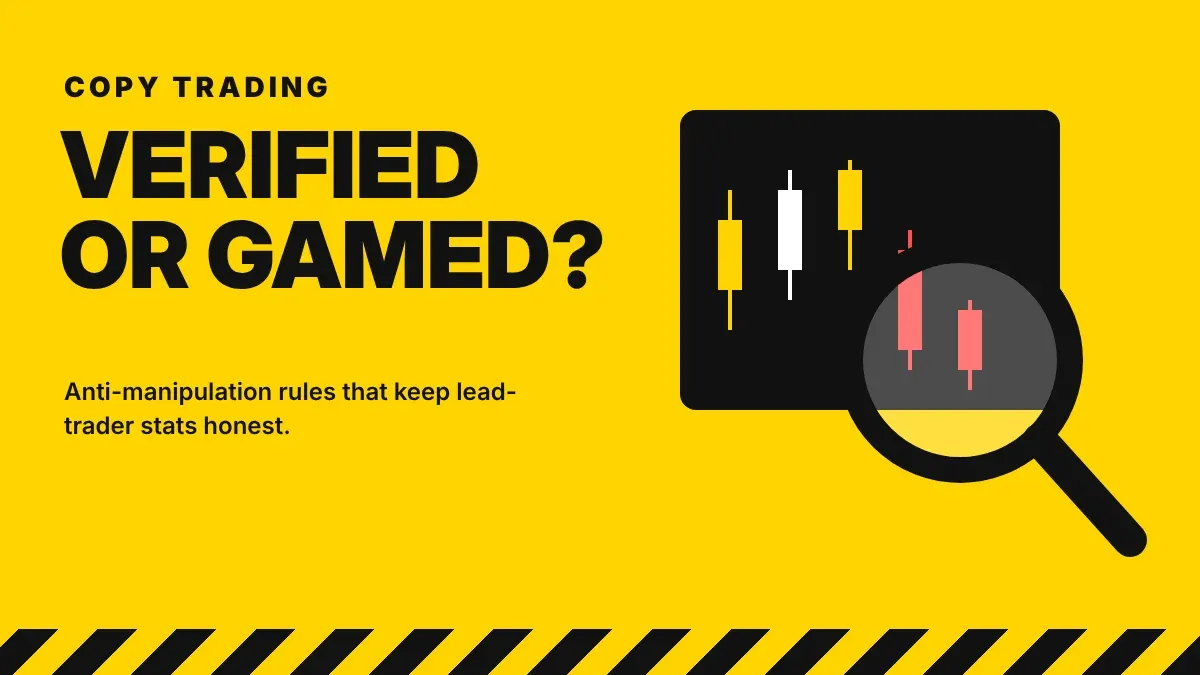
Copy trading platforms with verified performance still need anti-manipulation rules to keep stats honest.
Binance offers futures and spot copy trading with detailed lead-trader profiles and a lead trader application process. Its depth of liquidity reduces the slippage gap between lead and follower fills.
Bitget has one of the largest copy trading communities, which means more choice and more noise. Filtering by drawdown and history length is essential there.
Bybit and OKX both publish lead-trader statistics alongside their derivatives products and let followers set per-trader stop limits and copy amounts.
WEEX publishes its trader rules in detail, including the one-account limit, the 50-position cap, the 500 USDT listing threshold and the follower-profit condition on rebates. You can browse lead traders on the WEEX copy trading page, where trader data updates hourly.
A Follower's Anti-Manipulation Checklist
Before copying anyone, run five checks:
- History over 90 days, with at least dozens of trades.
- Maximum drawdown under the loss you can stomach. If it was 70% once, assume it can happen again.
- Lead equity large enough to matter. Avoid stars whose ROI comes from a tiny base.
- Steady position sizing. Rising size after losses is a martingale warning sign.
- Liquid markets only. Leads who trade major pairs such as the BTC-USDT perpetual on WEEX are harder to front-run than those in thin small caps.
Copy trading platforms with verified trader performance and anti-manipulation measures reduce fraud, but they cannot remove risk. Pair platform rules with your own caps, per-trader stops and a willingness to unfollow fast.
FAQ
1. Can copy trading performance be faked?
Stats computed by an exchange from its own trades are hard to forge, but they can be gamed through account farming, tiny-balance ROI and martingale sizing. Platform rules and drawdown checks counter most of this.
2. What is the most important metric when choosing a lead trader?
Maximum drawdown over a long history. It shows how much a follower could lose in a bad stretch, which ROI alone hides.
3. How does WEEX prevent copy trading manipulation?
WEEX limits each trader to one copy trading account, caps lead traders at 50 open positions, requires over 500 USDT of futures equity to be listed, and pays rebates only when followers are profitable.
4. Do lead traders profit even when followers lose?
It depends on the platform's profit-sharing model. Models that pay leads only from follower profits align incentives better than those that pay per follower or per trade.
This content is provided for general informational purposes only and doesn't constitute financial, investment, legal, or tax advice. Any events, rewards, online promotions, or related information mentioned herein should not be considered a recommendation, solicitation, or invitation to purchase, sell, trade, or otherwise deal in any crypto assets. Crypto assets are highly volatile and may result in loss. The availability of WEEX services, products, and related events may vary by region. You are responsible for ensuring that your participation is in accordance with applicable local laws and regulations.
You may also like
PROJECT CORTEX (XTX) Price: Why a 15.8M% Gain and a $6 Billion Market Cap Are Hard to Trust
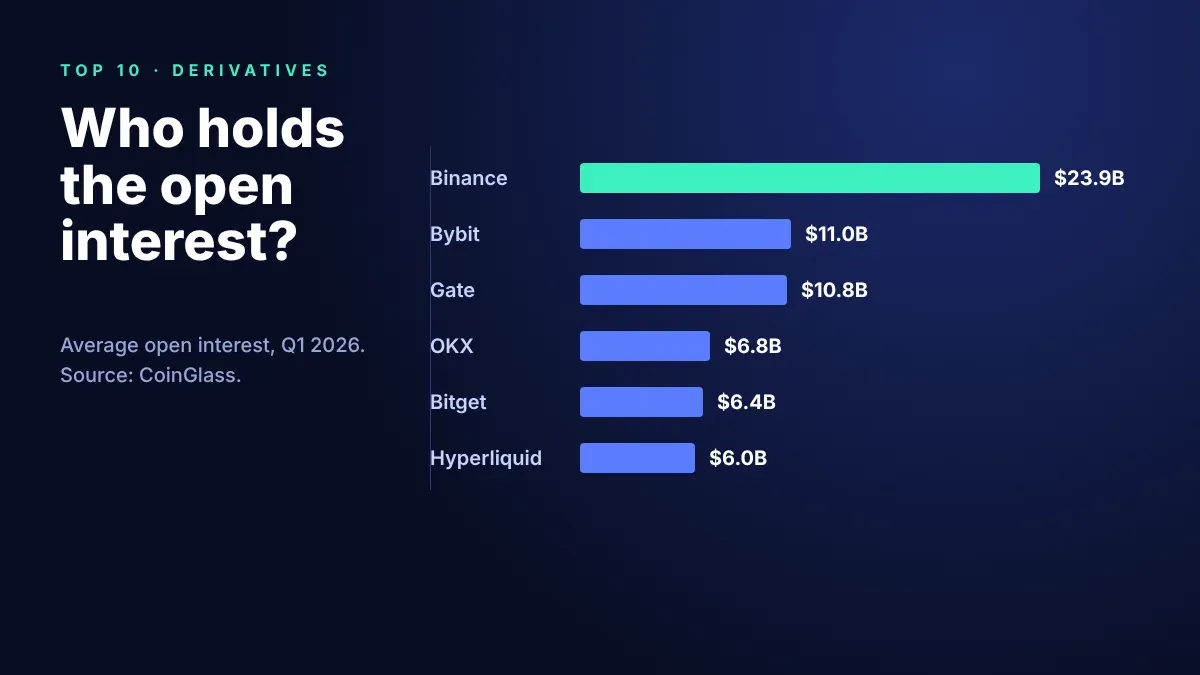
Top 10 Crypto Derivatives Exchanges Worldwide by Open Interest
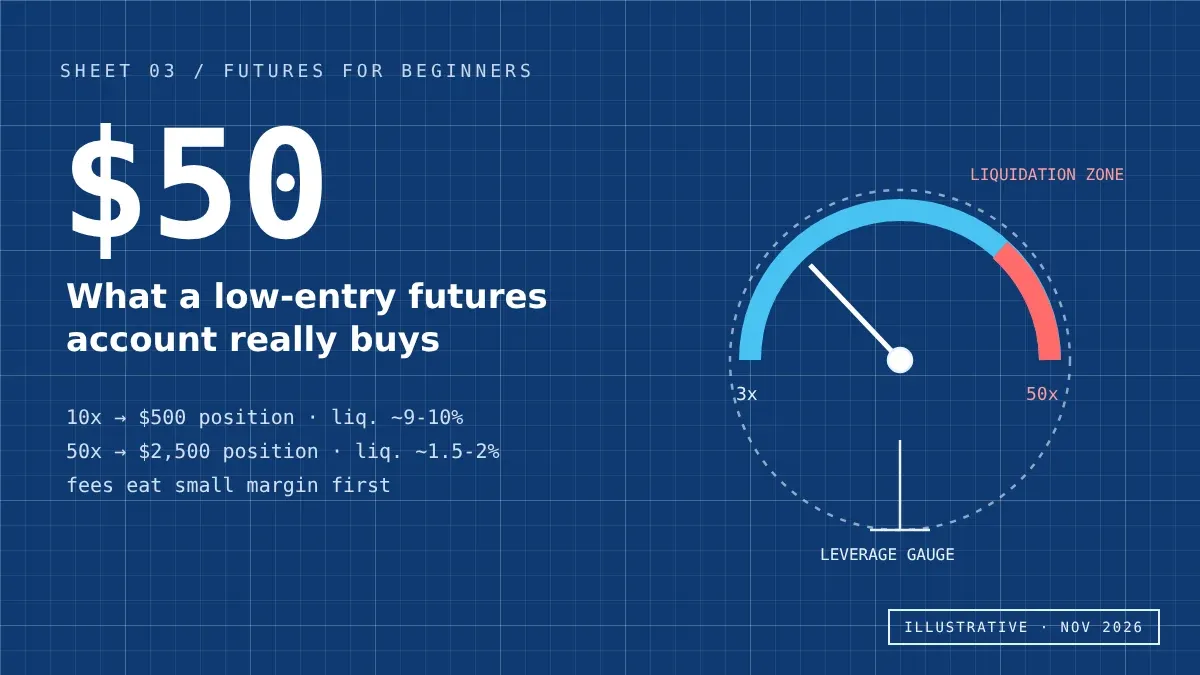
Beginner Futures Exchanges With Low Entry: What $50 Really Buys
User-Friendly Crypto Copy Trading Platforms: 6 Picks Compared

WEEX Review: The Latest Fees, Features, Security and Trading Experience
Midterm Elections Crypto Fallout: $170M Spent, Key Races Lost

FreeBitco.in Shutdown: Frozen Withdrawals and What Users Can Do
Why Is Bitcoin Down Today? BTC's Slide to $76K Explained
BTC Price Above $78,000 After the Midterms: What Is Confirmed, What Moved and What to Check Next
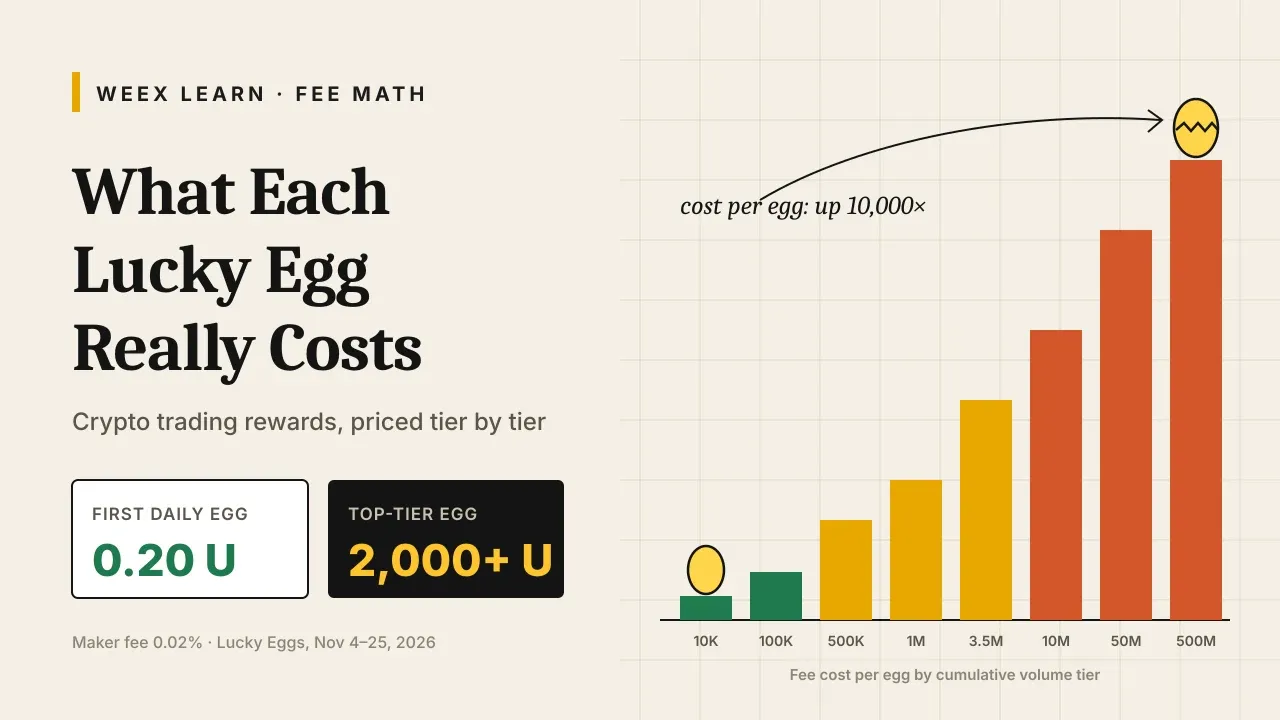
Crypto Trading Rewards: What Each Lucky Egg Really Costs in Fees

WEEX Rewards Guide: Lucky Eggs Tasks, Prizes and a 22-Day Plan
Binance Incident Report: How the Attack Chain Worked and What to Check

FOMC Meeting December 2026: Date, Schedule and What to Know Before the Rate Decision

Can You Stake Bitcoin? How BTC Staking Works and What It Pays
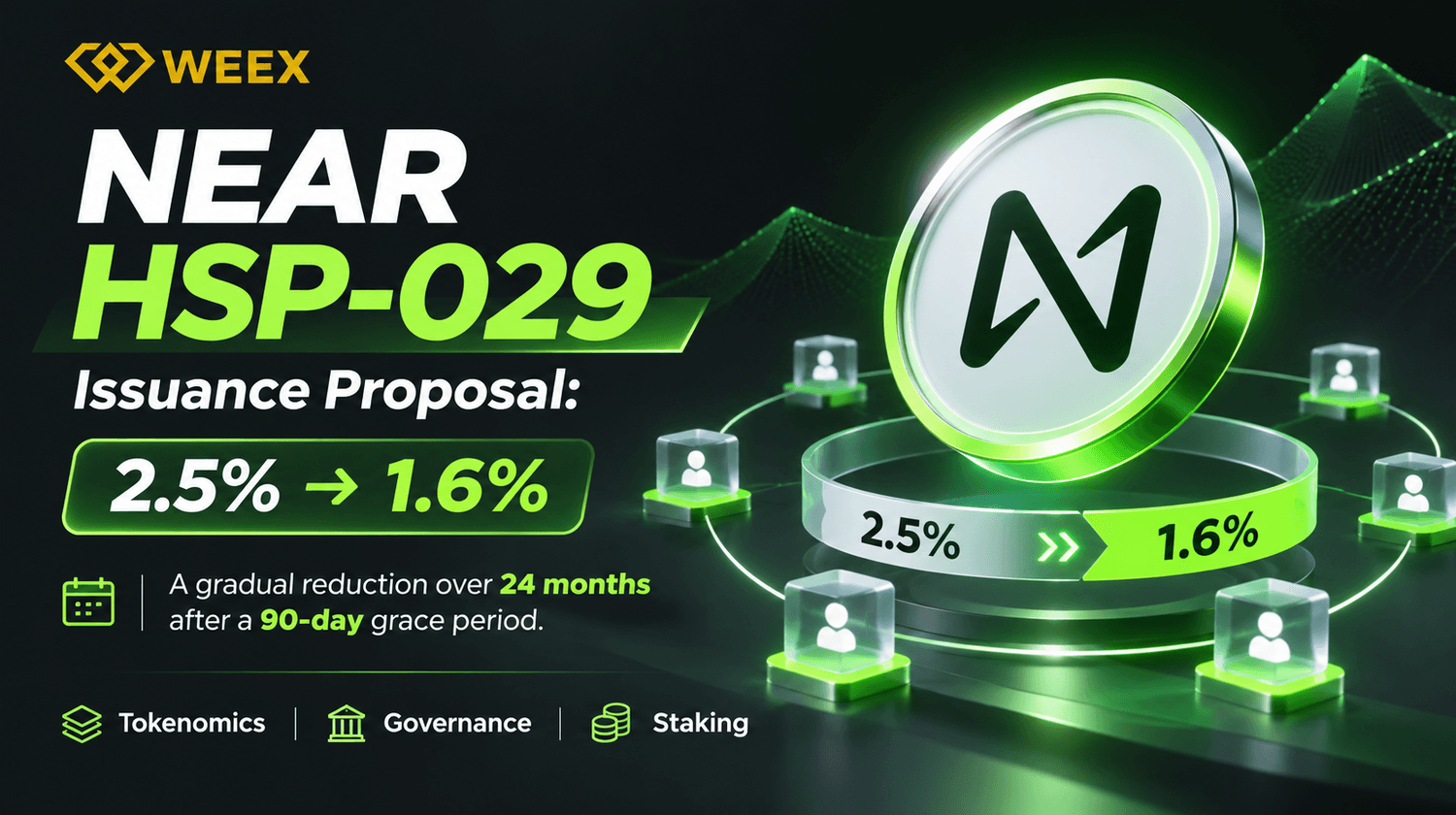
NEAR Protocol HSP-029 Vote: Can a 36% Issuance Cut Affect NEAR Price?

Bitcoin Futures ETF Explained: How It Works, How It Differs From a Spot Bitcoin ETF and Where the Risks Are
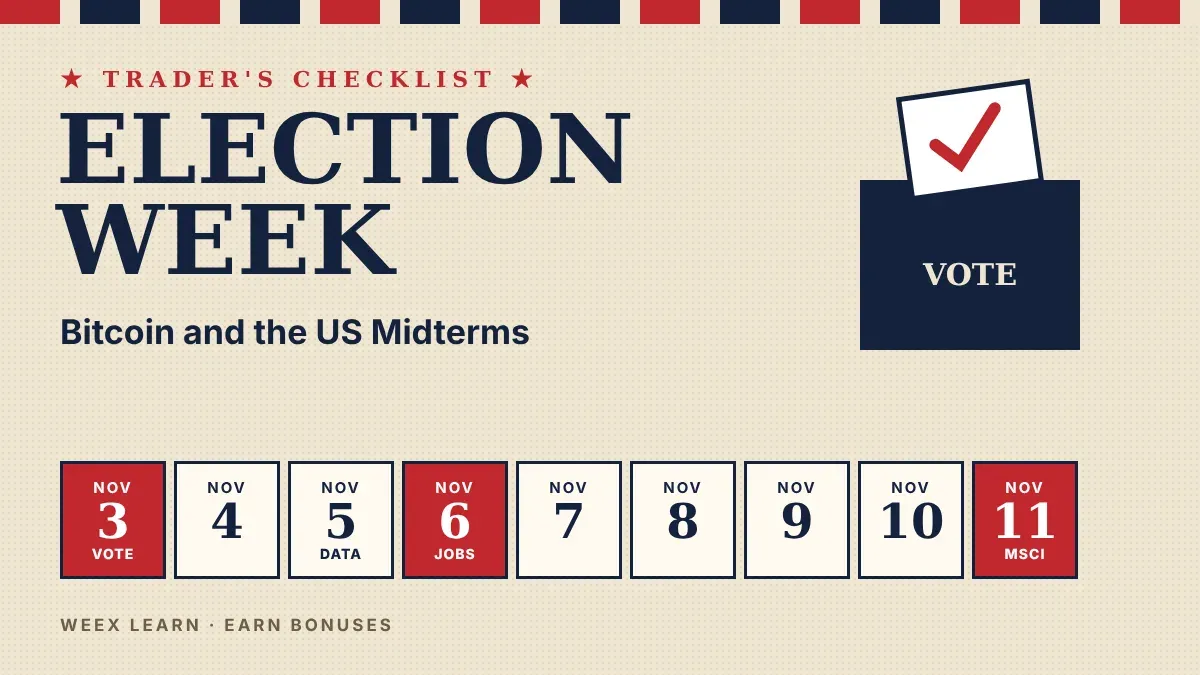
Bitcoin and the US Midterms: A Trader's Checklist for Nov. 3-11
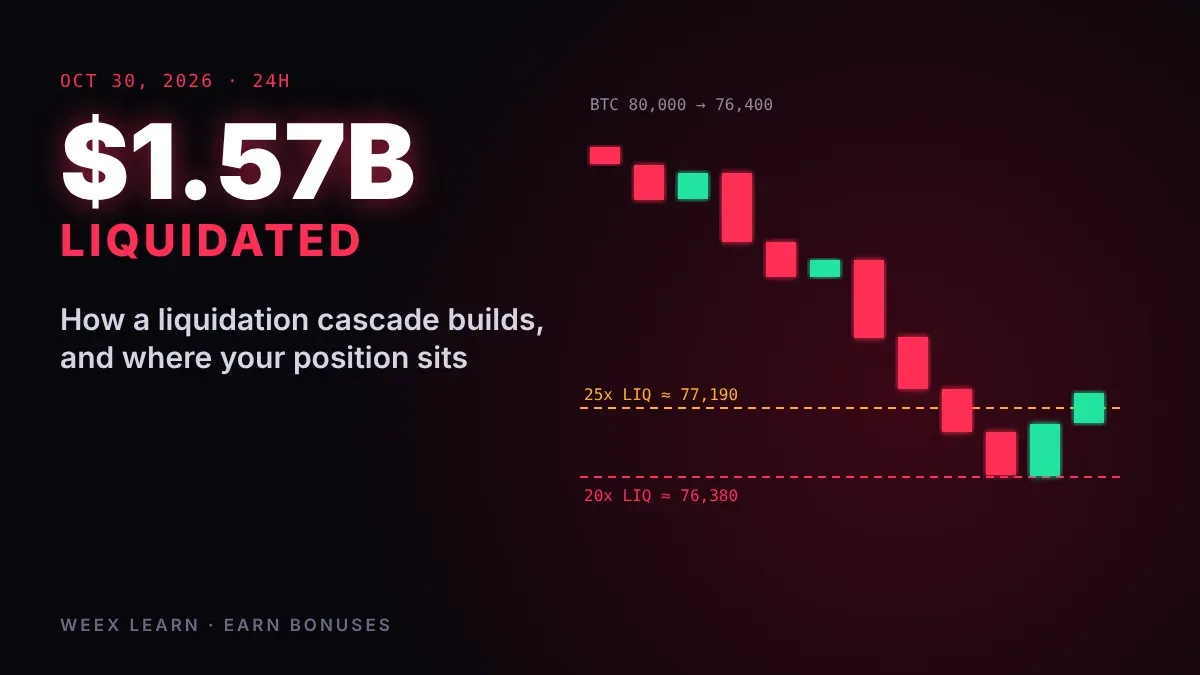
Crypto Liquidation Cascade: What the $1.57B Oct. 30 Flush Taught
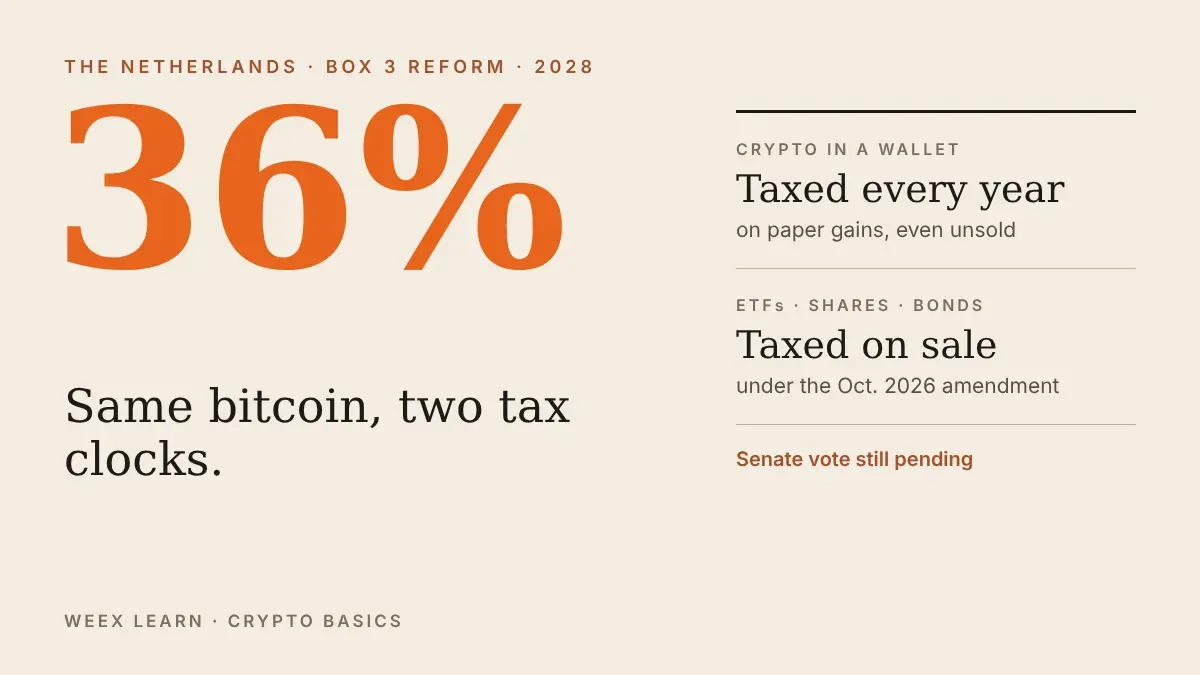
Dutch 36% Crypto Tax: Why Wallets Get Taxed Differently From ETFs
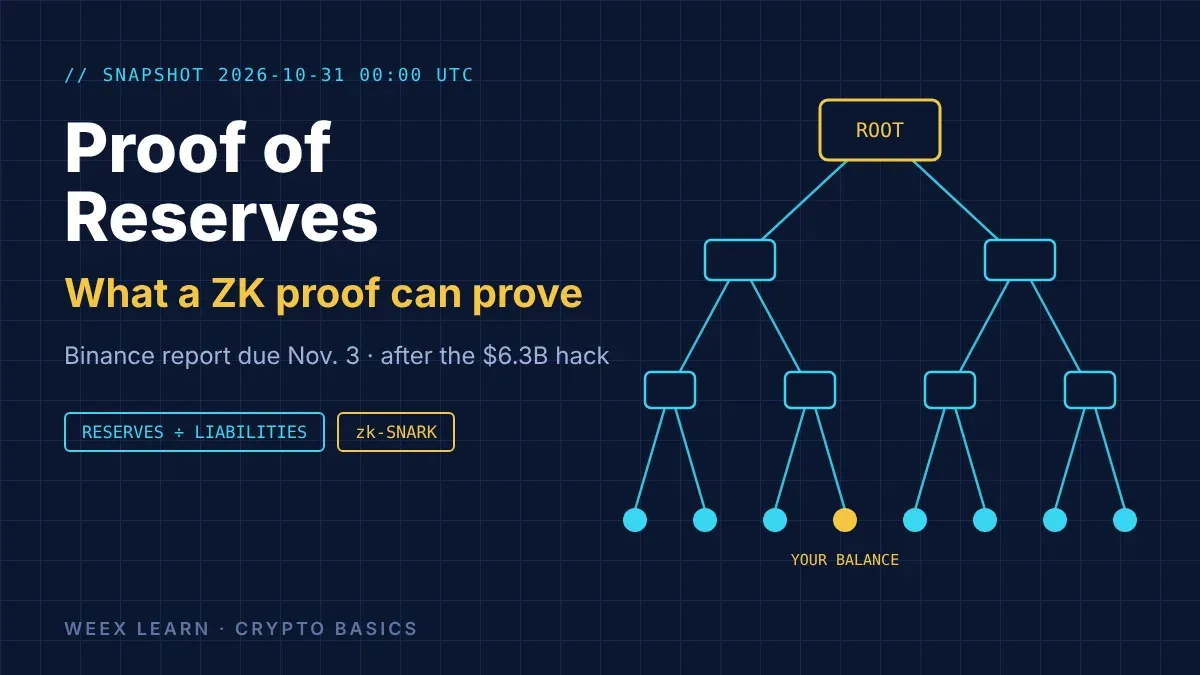
Binance Proof of Reserves: What the Nov. 3 ZK Report Can Prove
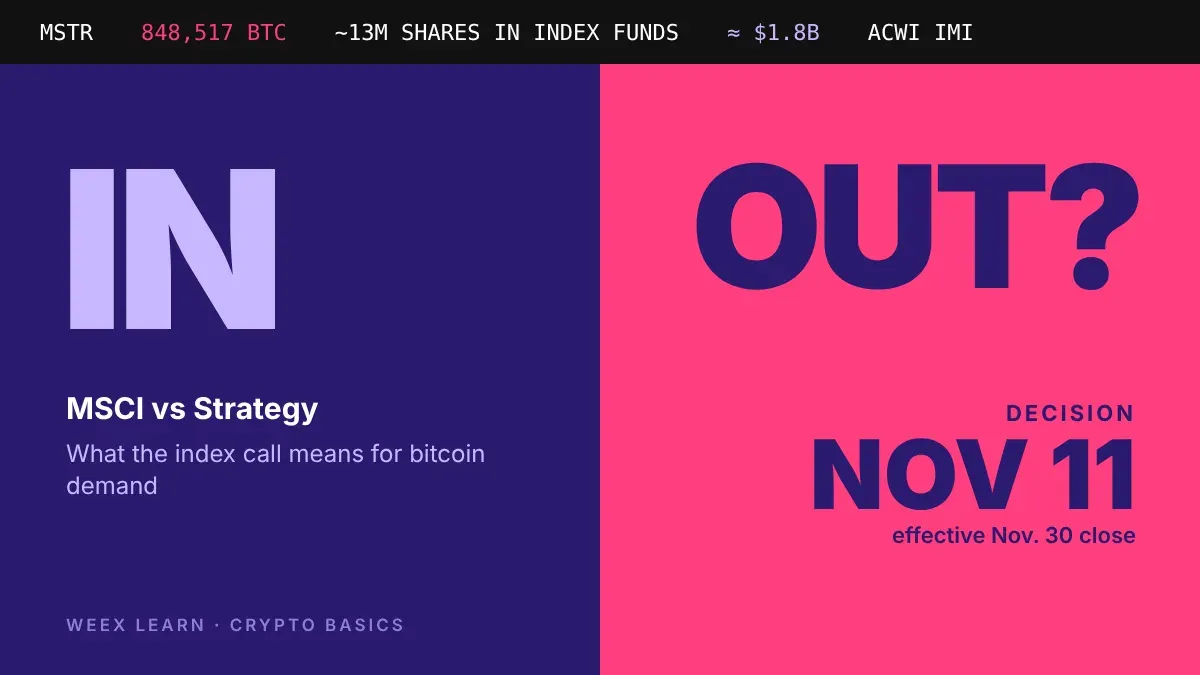
MSCI vs Strategy: What the Nov. 11 Index Decision Means for BTC

Binance Hack Explained: What Is Confirmed, What Is Disputed and What Users Should Do Now
Hot Wallet Security Explained: Lessons From the Binance Incident

How Do Stablecoin Issuers Make Money? The Business Behind a $1 Token
BTC Fights for $80K Before the Fed: Why Leverage Hasn't Flushed
How to Use WEEX Bubbles: A Practical Guide to Crypto Bubbles and Market Trends
WEEX Futures PnL: Why Your Three PnL Numbers Rarely Match
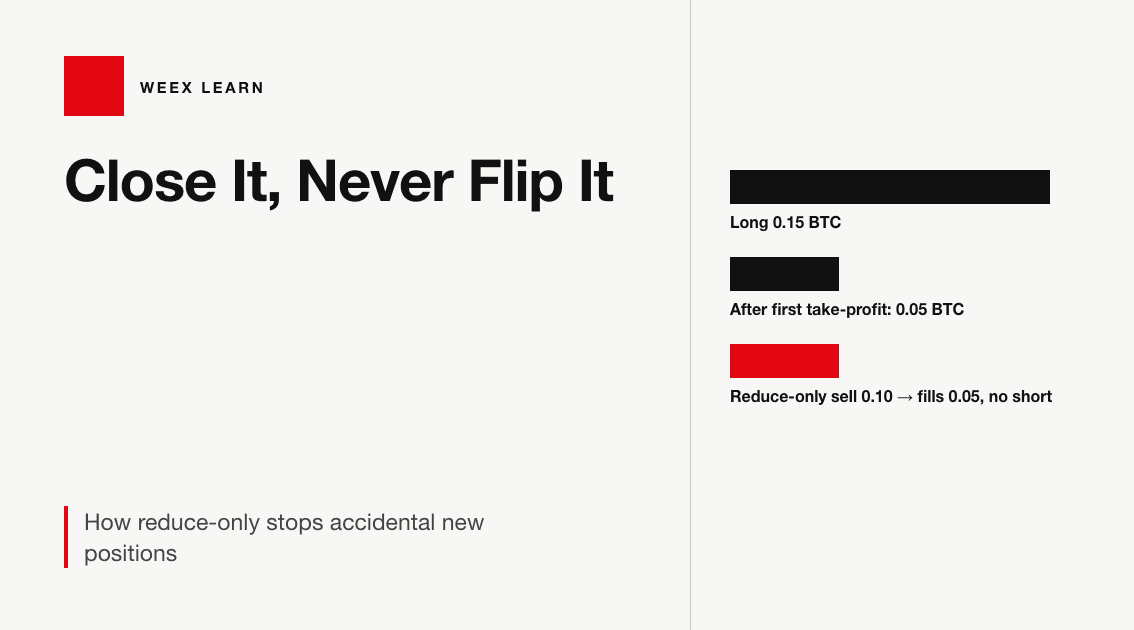
WEEX Reduce-Only Order: What It Does and When It Gets Cancelled
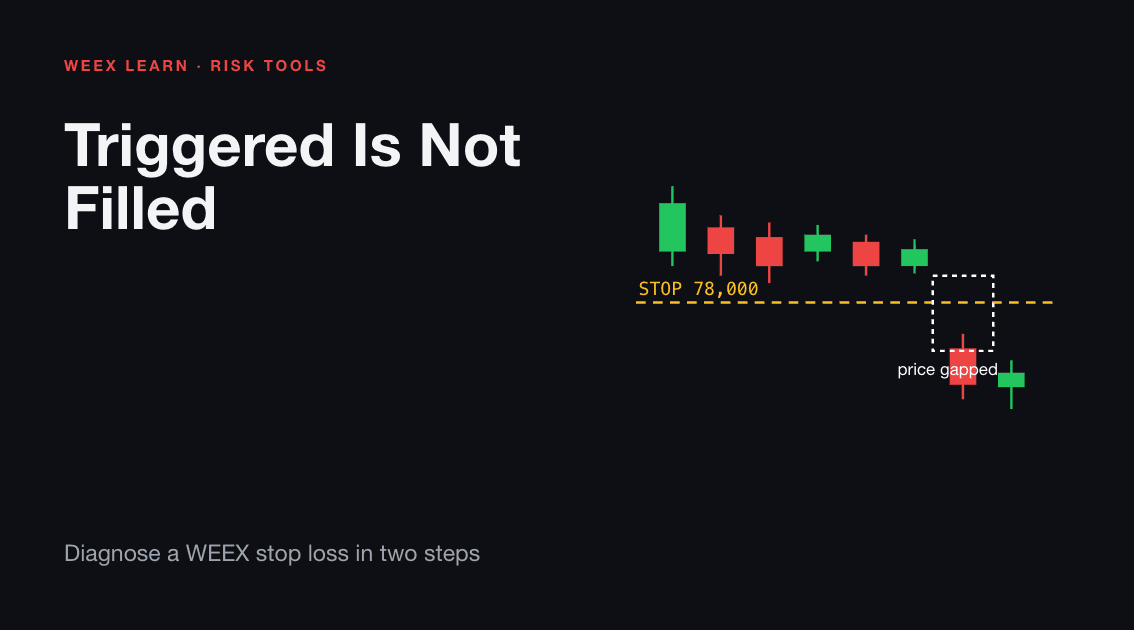
WEEX Stop Loss Not Triggered? Check the Trigger, Then the Fill
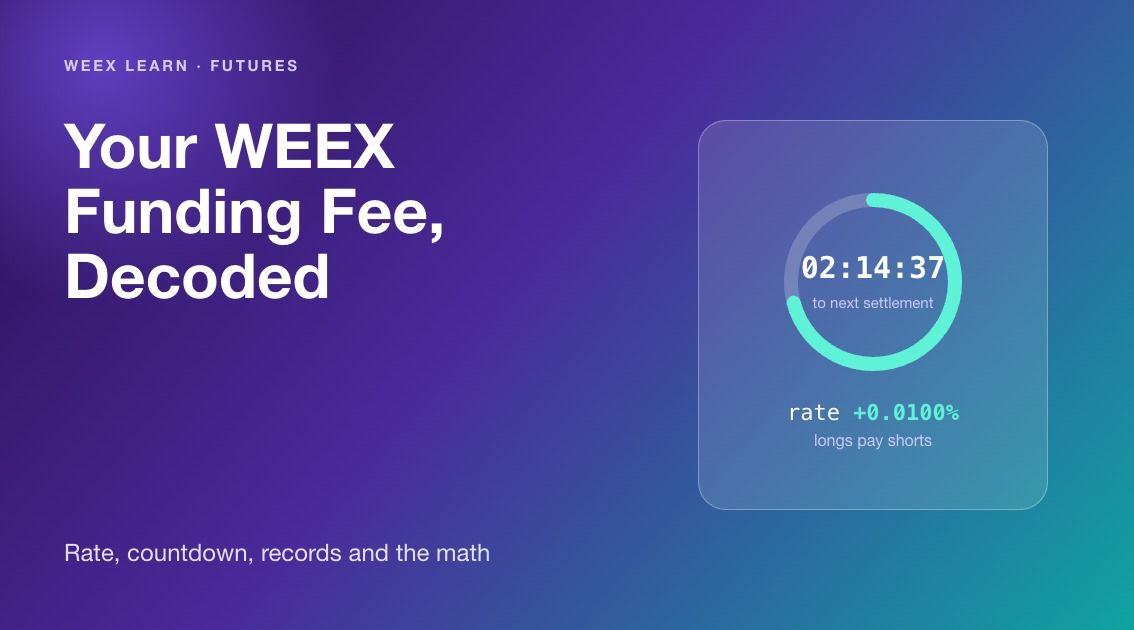
WEEX Funding Fee Explained: Rate, Countdown, Records and Math
PROJECT CORTEX (XTX) Price: Why a 15.8M% Gain and a $6 Billion Market Cap Are Hard to Trust
Top 10 Crypto Derivatives Exchanges Worldwide by Open Interest
Beginner Futures Exchanges With Low Entry: What $50 Really Buys
User-Friendly Crypto Copy Trading Platforms: 6 Picks Compared
WEEX Review: The Latest Fees, Features, Security and Trading Experience
Midterm Elections Crypto Fallout: $170M Spent, Key Races Lost
Contents
Popular coins
Latest articles


