
Beginner Futures Exchanges With Low Entry: What $50 Really Buys

 Prefer us on Google

The best beginner-friendly futures exchanges with low entry requirements are the ones that let you start with a small balance, practice on a demo account first, and default to isolated margin, which in November 2026 includes Binance, Bybit, OKX, Bitget and WEEX. Low entry is easy to find; almost every major venue lets you open a perpetual position with a few dollars of margin. What separates beginner-friendly venues is what happens after you click buy: how fast fees eat a small account, and how close leverage puts you to liquidation. This guide runs the numbers on a $50 account and shows what to check before your first trade.
What "Low Entry Requirements" Means on a Futures Exchange
Three different things hide behind the phrase, and beginners often mix them up:
- No minimum deposit. Most large crypto exchanges do not set a deposit floor. You can fund an account with a small amount of USDT.
- Small minimum order size. Each perpetual contract has a minimum quantity. For major pairs this is usually a small slice of a coin, so the margin needed to open a position at moderate leverage can be single-digit dollars.
- Light onboarding. Futures access usually sits behind identity verification and a short quiz on leverage and liquidation. That quiz is friction worth having.
None of these tell you whether a small account can trade sustainably. For that you need the math below.
The $50 Futures Account: Fees and Liquidation Math
Take a $50 balance and a BTC perpetual. The figures below are illustrative, using a hypothetical 0.06% taker fee and BTC at $80,000, to show the shape of the problem rather than any single exchange's schedule.
At 10x leverage, $50 of margin controls a $500 position.
- Opening and closing with market orders costs about $0.30 each way, or $0.60 round trip. That is 1.2% of your margin gone before price moves.
- With isolated margin, liquidation sits roughly 9% to 10% away from entry once maintenance margin is counted. BTC moves that much in a bad week, but rarely in an hour.
At 50x leverage, the same $50 controls $2,500.
- Round-trip taker fees rise to about $3, or 6% of margin per trade.
- Liquidation moves to roughly 1.5% to 2% from entry. BTC can cover that between two candles on a volatile day.
The lesson is blunt. On a small account, leverage does not just raise risk; it multiplies fee drag. Ten round trips at 50x can cost more than half the account in fees alone, even if every trade breaks even. Beginner-friendly in practice means trading low leverage, using limit orders where maker fees are lower, and accepting that a $50 account is a learning budget, not an income plan.
Beginner-Friendly Futures Exchanges Compared
All five venues below offer USDT-margined perpetuals with small minimum order sizes. The differences that matter to a new trader are practice tools, defaults and how much the interface pushes leverage.
Binance has the deepest futures order books of any centralized exchange, which keeps slippage low even for market orders. Its futures interface is dense, and newcomers should switch the default leverage down before trading.
Bybit offers a demo trading mode with simulated funds, useful for learning order types without risk. The derivatives interface is clean but built for active traders.
OKX includes a demo trading environment and lets users pick margin modes clearly at order entry. Good for learners who want to see how cross and isolated margin behave side by side.
WEEX runs both live and demo futures accounts, per its help center, and lists perpetuals on major coins plus tokenized-stock pairs such as TSLA-USDT. You can open the BTC-USDT perpetual on WEEX to see contract details and margin settings before funding.
Bitget combines futures with copy trading, so beginners can watch how experienced traders size positions before trading alone. The temptation is to copy high-leverage leads too early.
-- Price
How to Choose Your First Futures Exchange
The factors below are ranked by how much each one protects a small account.
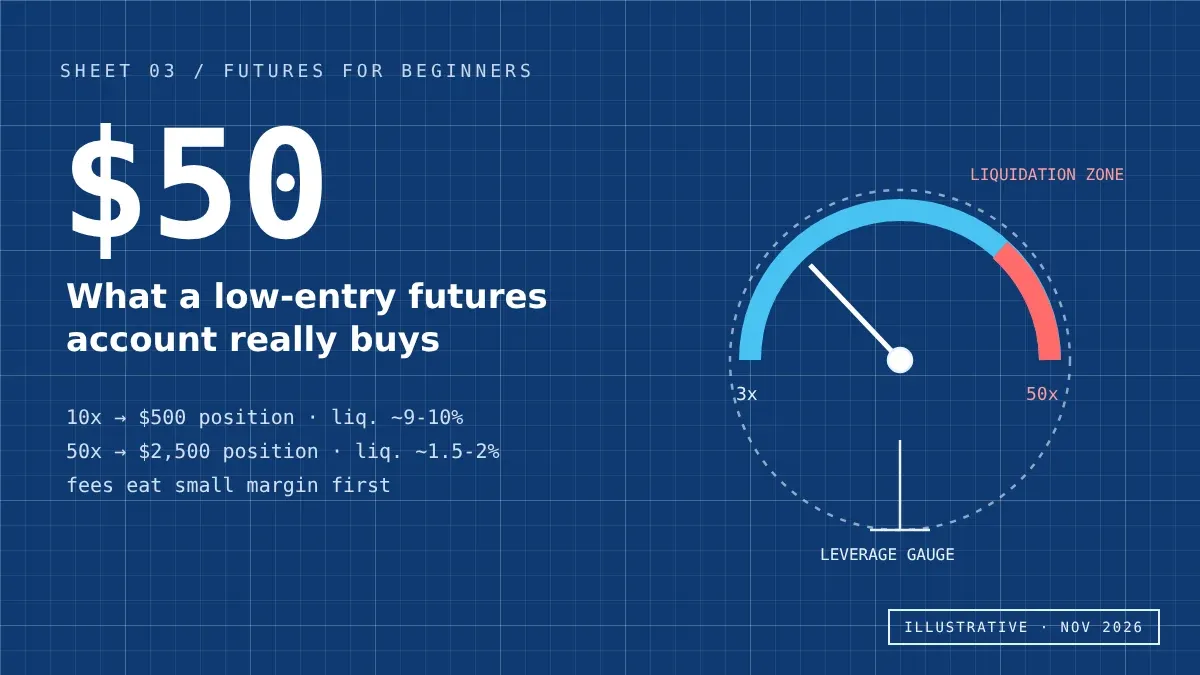
Beginner-friendly futures exchanges with low entry: leverage moves liquidation closer on a $50 account.
- Demo trading first. Run at least a few dozen practice trades. If an exchange has no demo mode, that is a strike against it for beginners.
- Isolated margin by default. Isolated mode caps the loss of one position at the margin you assigned to it. Cross margin can drain your whole balance.
- Maker fee discounts. Small accounts feel fees most. A venue with a lower maker rate rewards patience with limit orders.
- Leverage you can lock low. Set leverage to 3x to 5x and leave it there while learning.
- Exchange safety. Proof-of-reserves pages, insurance funds and a clean security record matter more than a promotional bonus. Recent incidents, such as the Binance hack explained on WEEX Learn, show why custody questions belong on the checklist.
What New Futures Traders Usually Get Wrong
The most common blow-up is not a single huge loss. It is a series of small ones, each followed by a bigger position to "win it back." Futures make that easy because adding leverage costs nothing up front.
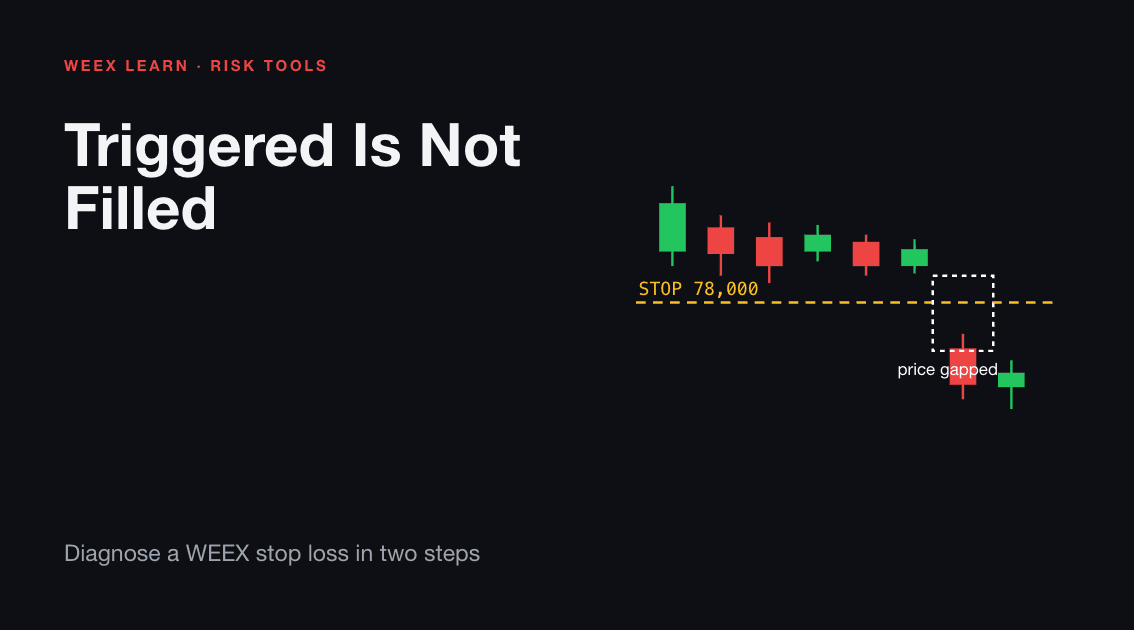
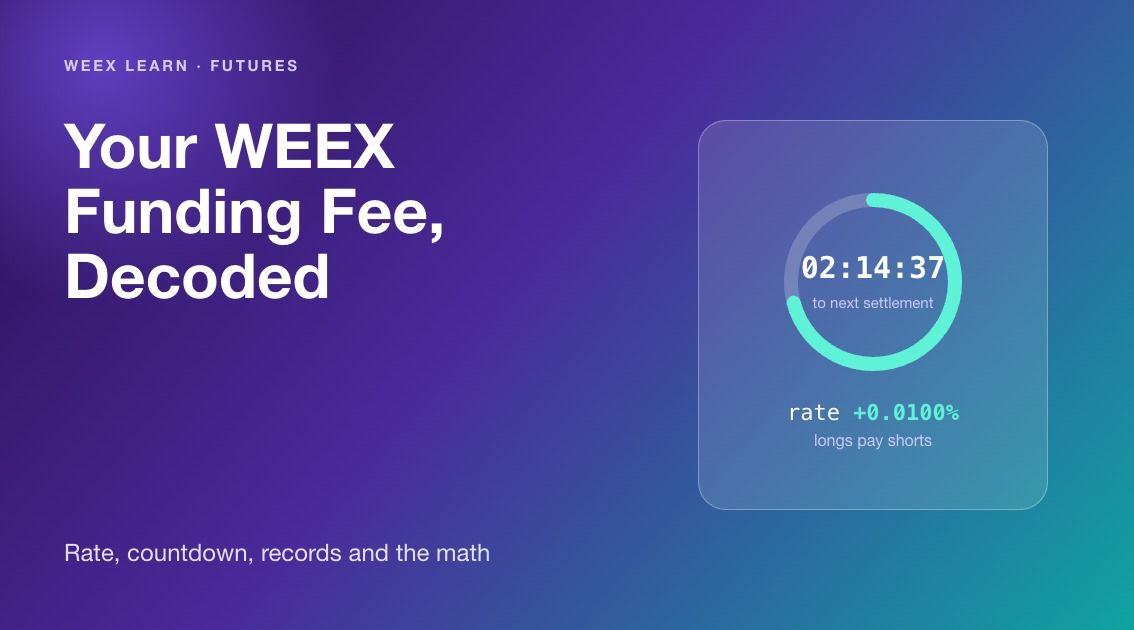
Two other traps catch beginners. Funding payments on perpetuals are charged periodically, so holding a crowded position for days can bleed the account even if price goes nowhere. And stop-loss orders on volatile coins can fill well past their trigger price during a fast move, so a stop is a limit on intended loss, not a guarantee.
A beginner-friendly futures exchange with low entry requirements lowers the cost of starting. It does not lower the cost of mistakes. Start on demo, keep leverage single-digit, and treat your first live balance as tuition.
FAQ
1. What is the minimum amount needed to trade crypto futures?
Most major exchanges set no deposit minimum, and the margin needed for a small BTC or ETH perpetual position at moderate leverage can be a few dollars. Fees and liquidation risk make very small accounts hard to sustain.
2. Which futures exchange has demo trading for beginners?
Bybit, OKX, Bitget and WEEX offer demo or simulated futures trading. Binance offers a separate testnet environment for futures practice.
3. What leverage should a beginner use on futures?
Low single digits, such as 3x to 5x. Higher leverage pushes liquidation closer and multiplies fee costs on small accounts.
4. Is isolated or cross margin better for beginners?
Isolated margin, because it limits each position's loss to the margin assigned to it rather than exposing your full balance.
This content is provided for general informational purposes only and doesn't constitute financial, investment, legal, or tax advice. Any events, rewards, online promotions, or related information mentioned herein should not be considered a recommendation, solicitation, or invitation to purchase, sell, trade, or otherwise deal in any crypto assets. Crypto assets are highly volatile and may result in loss. The availability of WEEX services, products, and related events may vary by region. You are responsible for ensuring that your participation is in accordance with applicable local laws and regulations.
You may also like
PROJECT CORTEX (XTX) Price: Why a 15.8M% Gain and a $6 Billion Market Cap Are Hard to Trust
Copy Trading Platforms With Verified Performance: Spot the Fakes
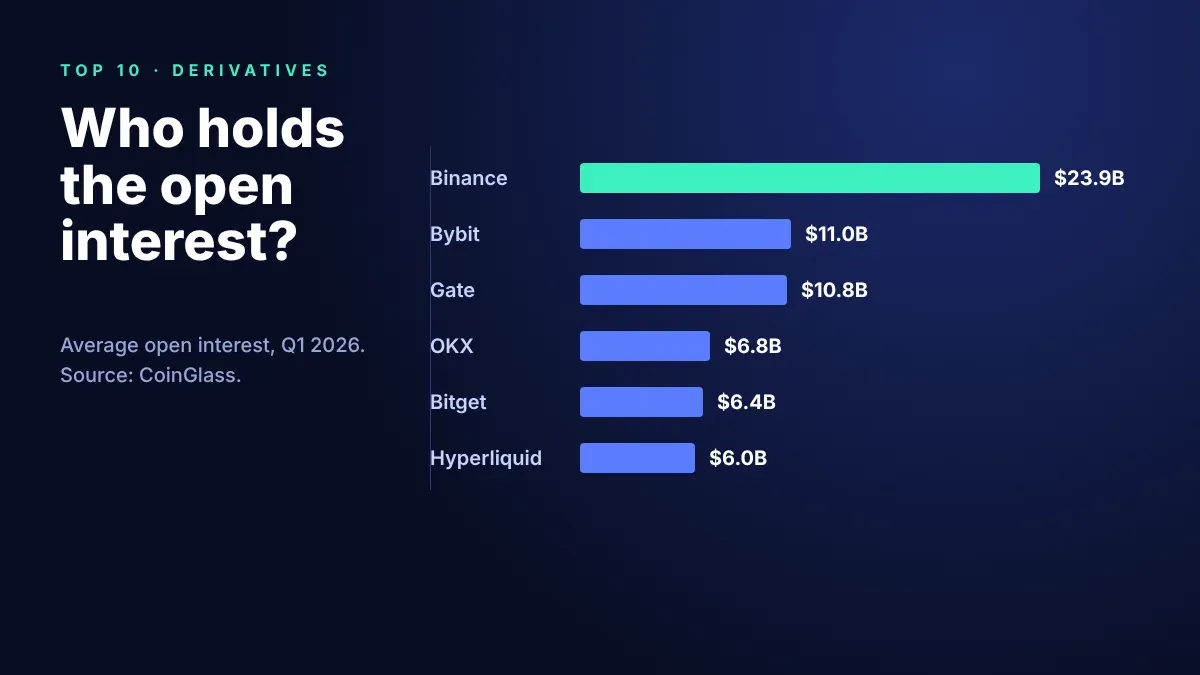
Top 10 Crypto Derivatives Exchanges Worldwide by Open Interest
User-Friendly Crypto Copy Trading Platforms: 6 Picks Compared

WEEX Review: The Latest Fees, Features, Security and Trading Experience
Midterm Elections Crypto Fallout: $170M Spent, Key Races Lost

FreeBitco.in Shutdown: Frozen Withdrawals and What Users Can Do
Why Is Bitcoin Down Today? BTC's Slide to $76K Explained
BTC Price Above $78,000 After the Midterms: What Is Confirmed, What Moved and What to Check Next
Crypto Trading Rewards: What Each Lucky Egg Really Costs in Fees

WEEX Rewards Guide: Lucky Eggs Tasks, Prizes and a 22-Day Plan
Binance Incident Report: How the Attack Chain Worked and What to Check
FOMC Meeting December 2026: Date, Schedule and What to Know Before the Rate Decision

Can You Stake Bitcoin? How BTC Staking Works and What It Pays
NEAR Protocol HSP-029 Vote: Can a 36% Issuance Cut Affect NEAR Price?
Bitcoin Futures ETF Explained: How It Works, How It Differs From a Spot Bitcoin ETF and Where the Risks Are
Bitcoin and the US Midterms: A Trader's Checklist for Nov. 3-11
Crypto Liquidation Cascade: What the $1.57B Oct. 30 Flush Taught
Dutch 36% Crypto Tax: Why Wallets Get Taxed Differently From ETFs
Binance Proof of Reserves: What the Nov. 3 ZK Report Can Prove
MSCI vs Strategy: What the Nov. 11 Index Decision Means for BTC

Binance Hack Explained: What Is Confirmed, What Is Disputed and What Users Should Do Now
Hot Wallet Security Explained: Lessons From the Binance Incident
How Do Stablecoin Issuers Make Money? The Business Behind a $1 Token
BTC Fights for $80K Before the Fed: Why Leverage Hasn't Flushed
How to Use WEEX Bubbles: A Practical Guide to Crypto Bubbles and Market Trends
WEEX Futures PnL: Why Your Three PnL Numbers Rarely Match
WEEX Reduce-Only Order: What It Does and When It Gets Cancelled
WEEX Stop Loss Not Triggered? Check the Trigger, Then the Fill
WEEX Funding Fee Explained: Rate, Countdown, Records and Math
PROJECT CORTEX (XTX) Price: Why a 15.8M% Gain and a $6 Billion Market Cap Are Hard to Trust
Copy Trading Platforms With Verified Performance: Spot the Fakes
Top 10 Crypto Derivatives Exchanges Worldwide by Open Interest
User-Friendly Crypto Copy Trading Platforms: 6 Picks Compared
WEEX Review: The Latest Fees, Features, Security and Trading Experience
Midterm Elections Crypto Fallout: $170M Spent, Key Races Lost
Contents
Popular coins
Latest articles





