
Pangolin (PNG) Price Prediction 2026–2030: Can Pangolin (PNG) Rise Again?

 Prefer us on Google


In the fast-evolving realm of decentralized finance (DeFi), few tokens tell a story as dynamic as Pangolin (PNG).
Within the rapidly transforming decentralized finance landscape, Pangolin (PNG) presents one of the most compelling narratives of adaptation and resilience. Originally emerging as a pioneering exchange on the Avalanche network, this project initially captured DeFi's foundational ideals of speed, accessibility, and community governance. Its ascent paralleled the explosive growth of yield farming's golden era, while its subsequent market correction reflected the broader recalibration across decentralized finance sectors.
Currently, Pangolin exists at a pivotal juncture - maintaining its operational infrastructure within Avalanche's ecosystem while navigating the challenges of restoring market recognition. With cryptocurrency markets showing signs of renewed activity, analytical attention is increasingly turning toward established DeFi protocols like Pangolin that may possess untapped potential for recovery and growth.
What Is Pangolin (PNG)?
Pangolin operates as a community-governed decentralized exchange platform built upon Avalanche's blockchain architecture. The protocol facilitates rapid token exchanges with minimal transaction costs while employing a transparent, community-driven governance model. Designed specifically for high-efficiency trading and liquidity provisioning, Pangolin established itself as an integral component of Avalanche's decentralized application ecosystem.
Following its peak valuation of $4.99 in August 2021, the token has experienced significant price depreciation, illustrating the extreme volatility characteristic of cryptocurrency markets. Despite this market performance, Pangolin continues to maintain operational functionality as a decentralized exchange, consistently implementing protocol enhancements while preserving its relevance within Avalanche's growing network of decentralized applications.
Read Also: What Is Pangolin (PNG) Crypto and How to Buy It?
Pangolin (PNG) Price Overview
Current market data indicates Pangolin (PNG) trading within the $0.06827 to $0.0716 range, with a total market valuation of approximately $15.3 million and roughly 224 million PNG tokens in active circulation. Daily trading volume averaging around $710,000 demonstrates consistent though limited market liquidity.
The protocol currently secures approximately $4.38 million in Total Value Locked (TVL), resulting in a market capitalization to TVL ratio of 3.49 - suggesting potential valuation premium relative to actual deployed liquidity. Price movement remains constrained within a narrow band, with support forming near $0.0665 and resistance encountered around $0.0714, reflecting ongoing accumulation patterns and uncertain market sentiment.
Pangolin (PNG) Price Prediction (2026–2030)
Despite continuing near-term price volatility, longer-term projections for Pangolin suggest potential gradual recovery supported by Avalanche ecosystem development and cyclical DeFi market patterns. The following analysis outlines PNG's potential price evolution through 2030.
Pangolin (PNG) Price Prediction for 2026
Potential DeFi market revitalization could benefit Pangolin during 2026. As decentralized exchanges regain prominence, PNG's utility token functionality may strengthen, potentially driving prices toward the $0.10–$0.14 range. Enhanced staking mechanisms and increased Total Value Locked within Avalanche's ecosystem could support this initial growth phase.
Pangolin (PNG) Price Prediction for 2027
Sustained DeFi adoption throughout 2027 could initiate PNG's first substantial recovery cycle. Improved market sentiment, expanded liquidity pools, and increased developer activity might propel prices toward $0.18–$0.22. Growing institutional interest in decentralized liquidity solutions could provide additional upward momentum.
Pangolin (PNG) Price Prediction for 2028
The 2028 period could represent a peak valuation phase for PNG within the next market cycle. Assuming robust Avalanche network performance and enhanced token utility, Pangolin might achieve price levels between $0.25–$0.35. This momentum would likely require sustained user adoption, cross-chain functionality implementations, and liquidity pool expansion.
Pangolin (PNG) Price Prediction for 2029
Following potential 2028 peaks, 2029 may introduce market consolidation. Capital outflows and reduced liquidity provisioning could pressure PNG toward the $0.16–$0.21 range, where price stabilization might occur. Despite potential corrections, Pangolin's established position within Avalanche's DeFi infrastructure should provide fundamental support against severe depreciation.
Pangolin (PNG) Price Prediction for 2030
By 2030, Pangolin's market trajectory will largely depend on technological innovation and adoption strategy execution. Successful implementation of advanced liquidity management features or multi-layer interoperability solutions could drive prices toward $0.40–$0.55. Less favorable developments might constrain trading to the $0.20–$0.25 range.
Technical and Market Sentiment Overview
- Momentum Indicators: RSI readings show stabilization following extended oversold conditions, suggesting balanced buying and selling pressure
- Moving Averages: Short-term exponential moving averages demonstrate flattening patterns against longer-term trends, indicating potential accumulation phases
- Trading Activity: Gradual increases in decentralized exchange order volume reflect cautious optimism among DeFi participants
- Market Sentiment: Neutral to moderately positive, supported by consistent user engagement within Avalanche's ecosystem
-- Price
What is Driving Pangolin's Future Price?
- DeFi Market Cycles Capital rotation patterns within decentralized finance often rejuvenate established protocols, potentially reigniting demand for PNG tokens during market upswings.
- Avalanche Ecosystem Growth Pangolin's valuation remains closely correlated with Avalanche's network expansion, with developer activity and institutional adoption directly impacting PNG's market performance.
- Token Distribution Dynamics With nearly complete token circulation achieved, price movements will primarily respond to organic trading demand and liquidity incentive programs.
- Protocol Innovation Technological advancements including cross-chain compatibility, governance model enhancements, and utility expansion could significantly improve market valuation metrics.
- Macroeconomic Environment Broader financial market conditions, Bitcoin market cycles, and regulatory developments continue to indirectly influence PNG's price trajectory.
Conclusion
Pangolin (PNG) embodies both resilience and potential within the DeFi sector. Its foundation on Avalanche's blockchain ensures technical scalability and transaction efficiency, while its community governance model maintains adaptive flexibility.
Projections for the 2026-2030 period suggest PNG could potentially advance toward the $0.40–$0.55 range under optimal DeFi market conditions. More conservative estimates place the token between $0.15–$0.25, representing modest but sustainable growth.
For market participants, Pangolin represents a speculative opportunity with significant risk exposure, heavily dependent on Avalanche's ecosystem health and broader DeFi sector performance. Within an environment where technological evolution determines longevity, Pangolin's continued development will ultimately dictate whether it recovers previous market prominence or remains a testament to DeFi's foundational era.
Ready to trade PNG? Start your journey on WEEX today - register instantly and begin trading with speed and security.
Further Reading
- What is yesnoerror (YNE)? Everything You Need to Know
- What is Allora Network (ALLO)? A Comprehensive Guide
- What Is Crypto Guy (CZ) Coin?
Disclaimer: The opinions expressed in this article are for informational purposes only. This article does not constitute an endorsement of any of the products and services discussed or investment, financial, or trading advice. Qualified professionals should be consulted prior to making financial decisions.
This content is provided for general informational purposes only and doesn't constitute financial, investment, legal, or tax advice. Any events, rewards, online promotions, or related information mentioned herein should not be considered a recommendation, solicitation, or invitation to purchase, sell, trade, or otherwise deal in any crypto assets. Crypto assets are highly volatile and may result in loss. The availability of WEEX services, products, and related events may vary by region. You are responsible for ensuring that your participation is in accordance with applicable local laws and regulations.
You may also like

WEEX Review: The Latest Fees, Features, Security and Trading Experience
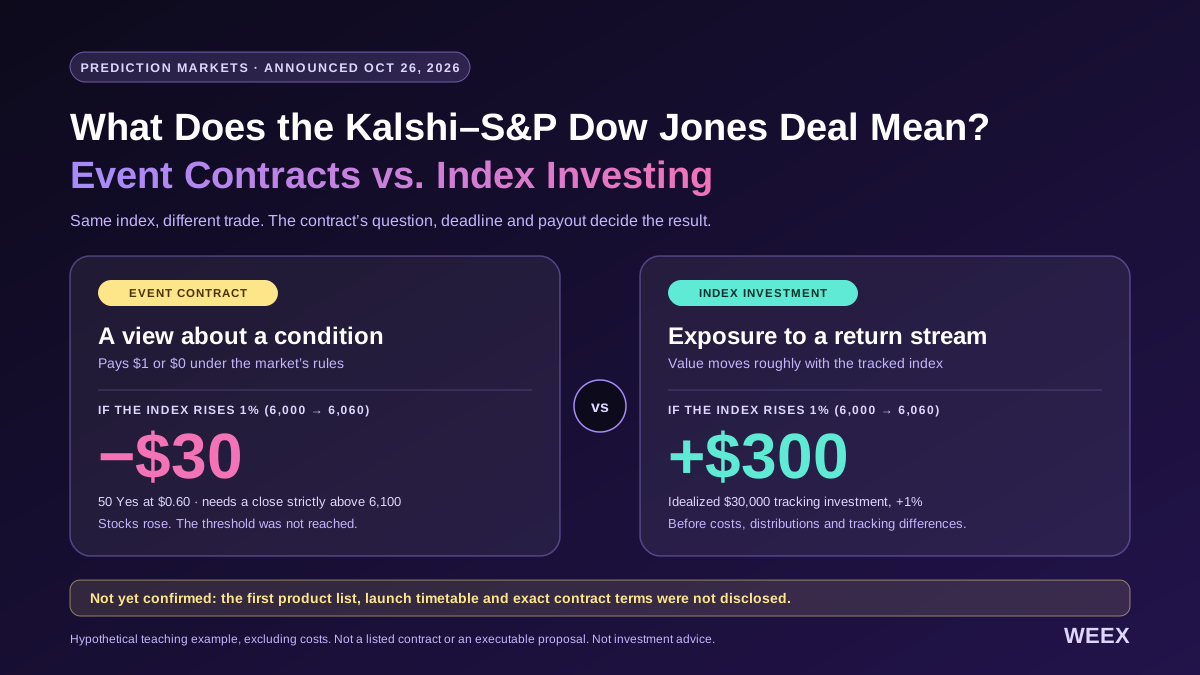
What Does the Kalshi–S&P Dow Jones Deal Mean? Event Contracts vs. Index Investing
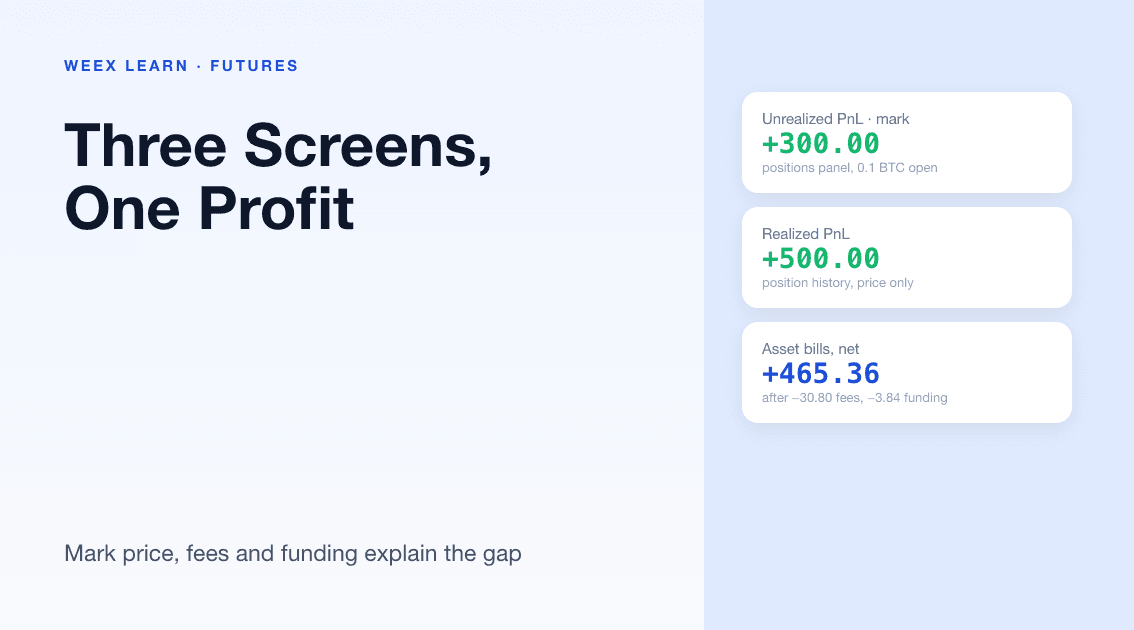
Tokenized Stocks Explained: What to Check Before You Trade
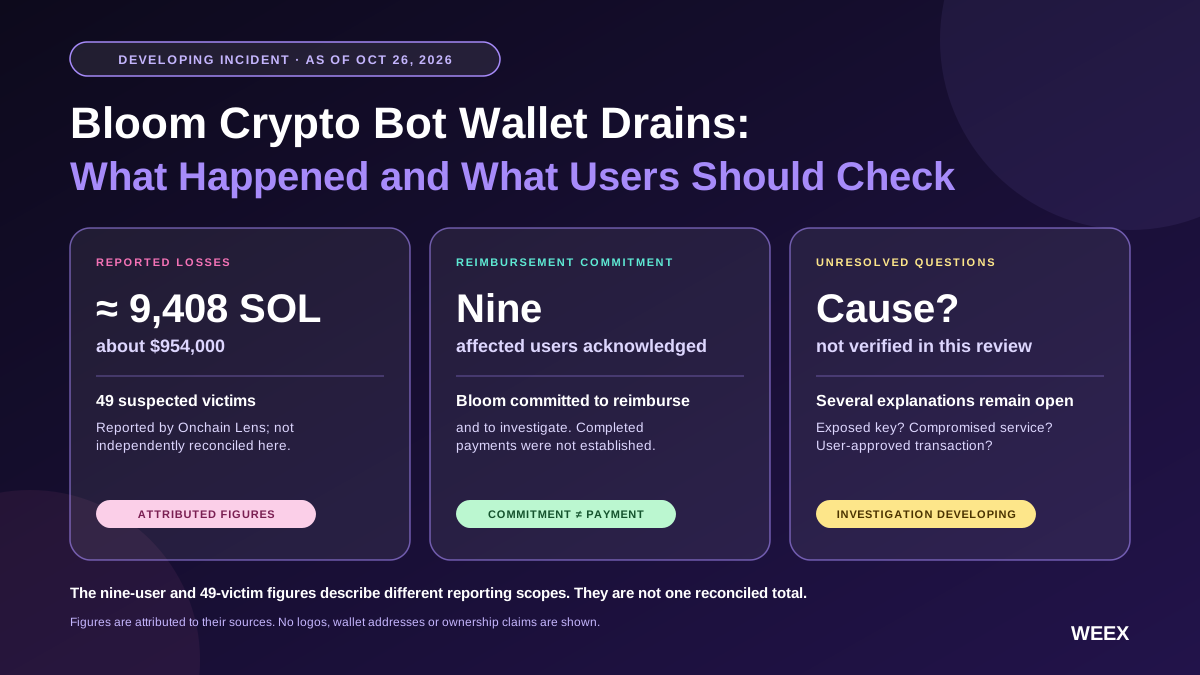
Bloom Crypto Bot Wallet Drains: What Happened and What Users Should Check
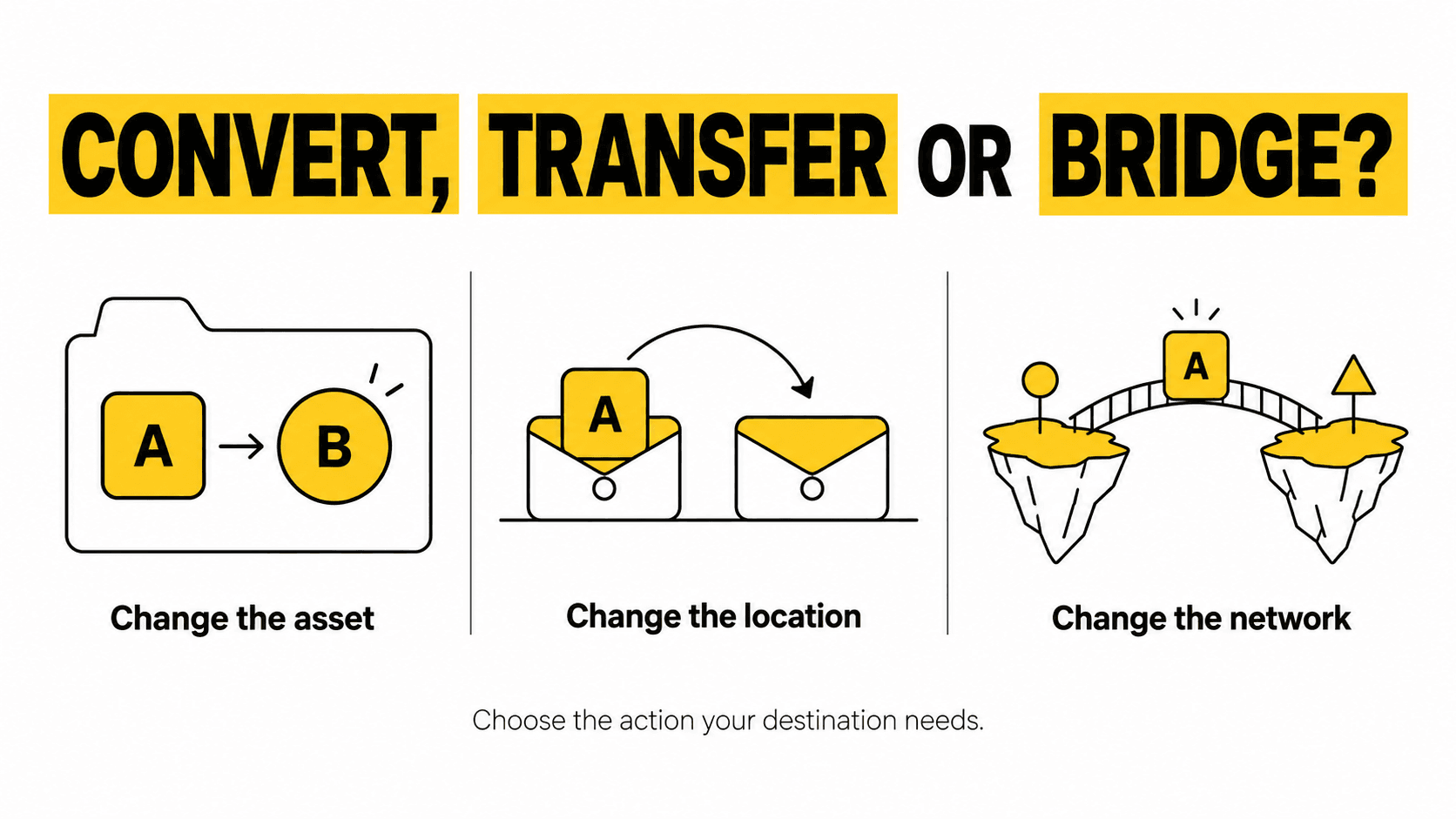
Crypto Convert vs Transfer vs Bridge: Which Action Do You Need?

Is United States Dividend Fund (USDF) Legit? What Website Checks and Reddit Actually Show

What Is Kimchi Crypto Trader’s Net Worth? Examining the $40 Million Claim

How to Trade Gold in Forex: What XAU/USD Is, How Pips and Lots Work and the Risks to Know
Is Your Crypto Wallet Safe? How to Verify Security Alerts and Spot Phishing
What Is Leverage Trading in Crypto? A Beginner’s Guide With Simple Examples
Fake Crypto Payments: What to Check Before Handing Over Goods
What Is Blockchain Interoperability? How Cross-Chain Bridges and Messaging Work
Best Crypto Trading Strategies for Beginners: What to Know Before You Trade
WEEX Broker Models: Strategy Bots, Copy Trading and Sub-Exchanges
What Is Orca (ORCA) Crypto? The Solana DEX, USDY Liquidity, and the ORCA Name Confusion
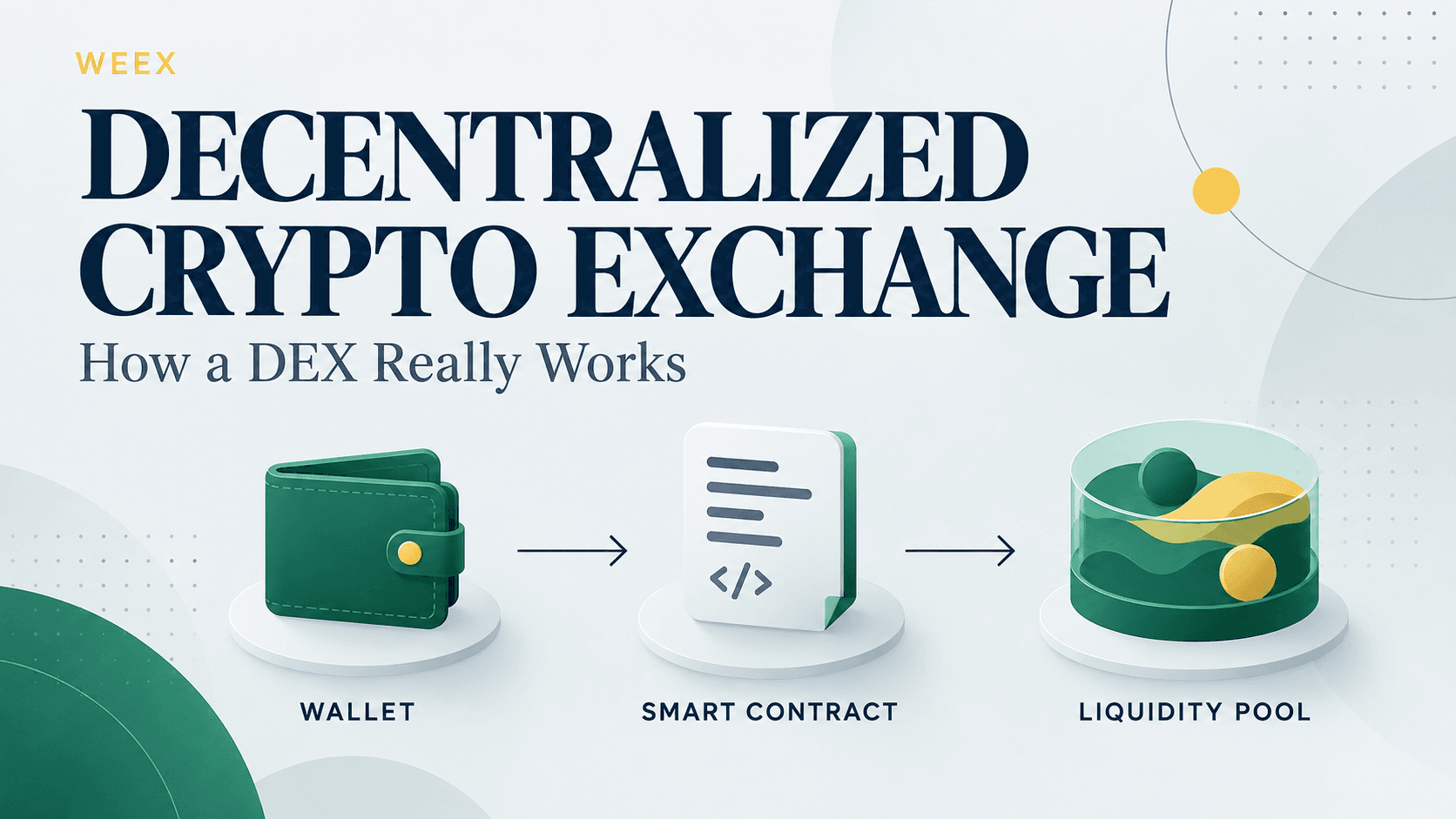
What Is a Decentralized Crypto Exchange (DEX)? How It Works, Costs, Risks, and When to Use One
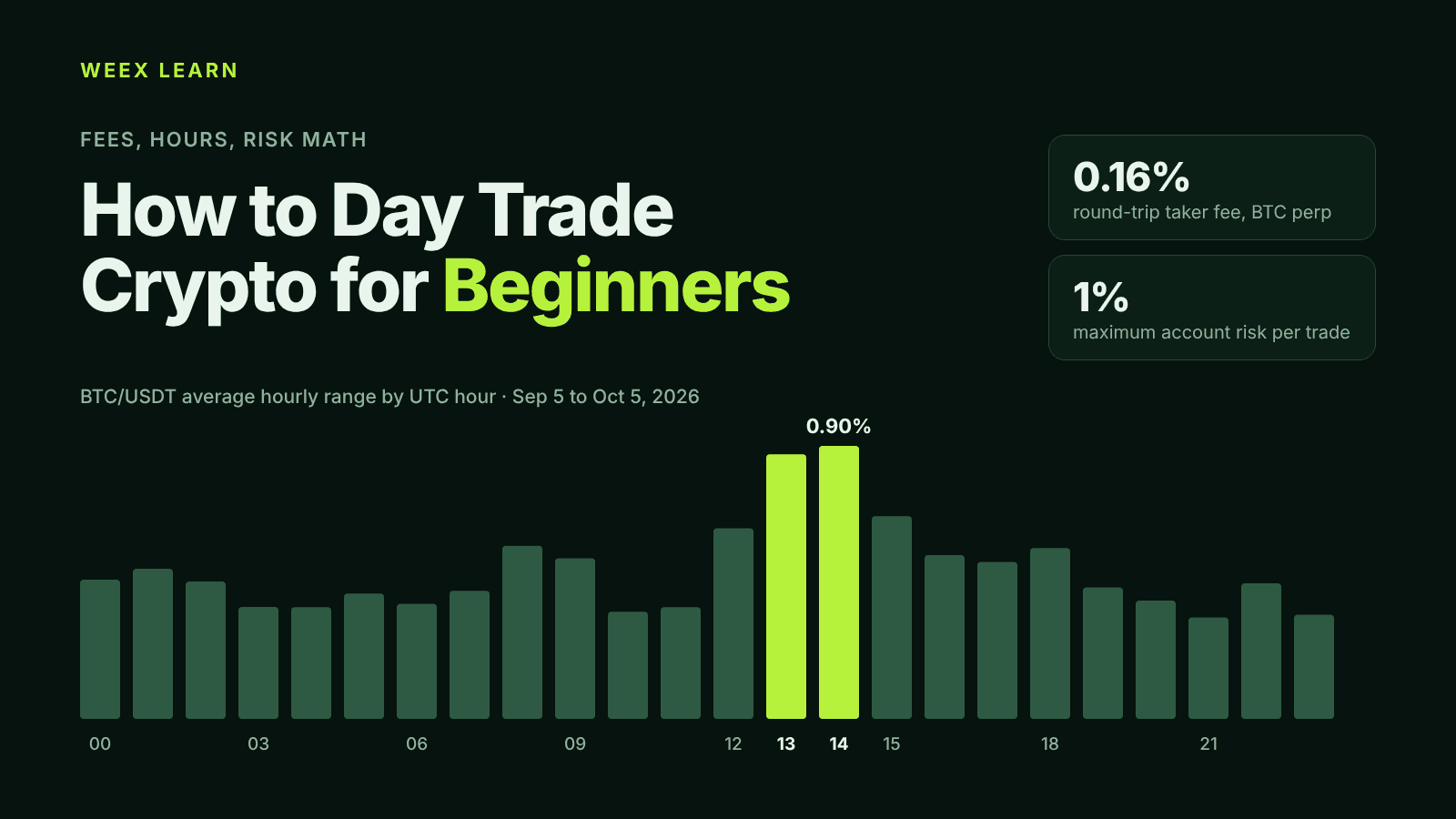
How to Day Trade Crypto for Beginners: Fees, Hours, Risk Math

Self-Custody Wallets: When a Crypto Transfer Must Be Reported to Brazil's Coaf
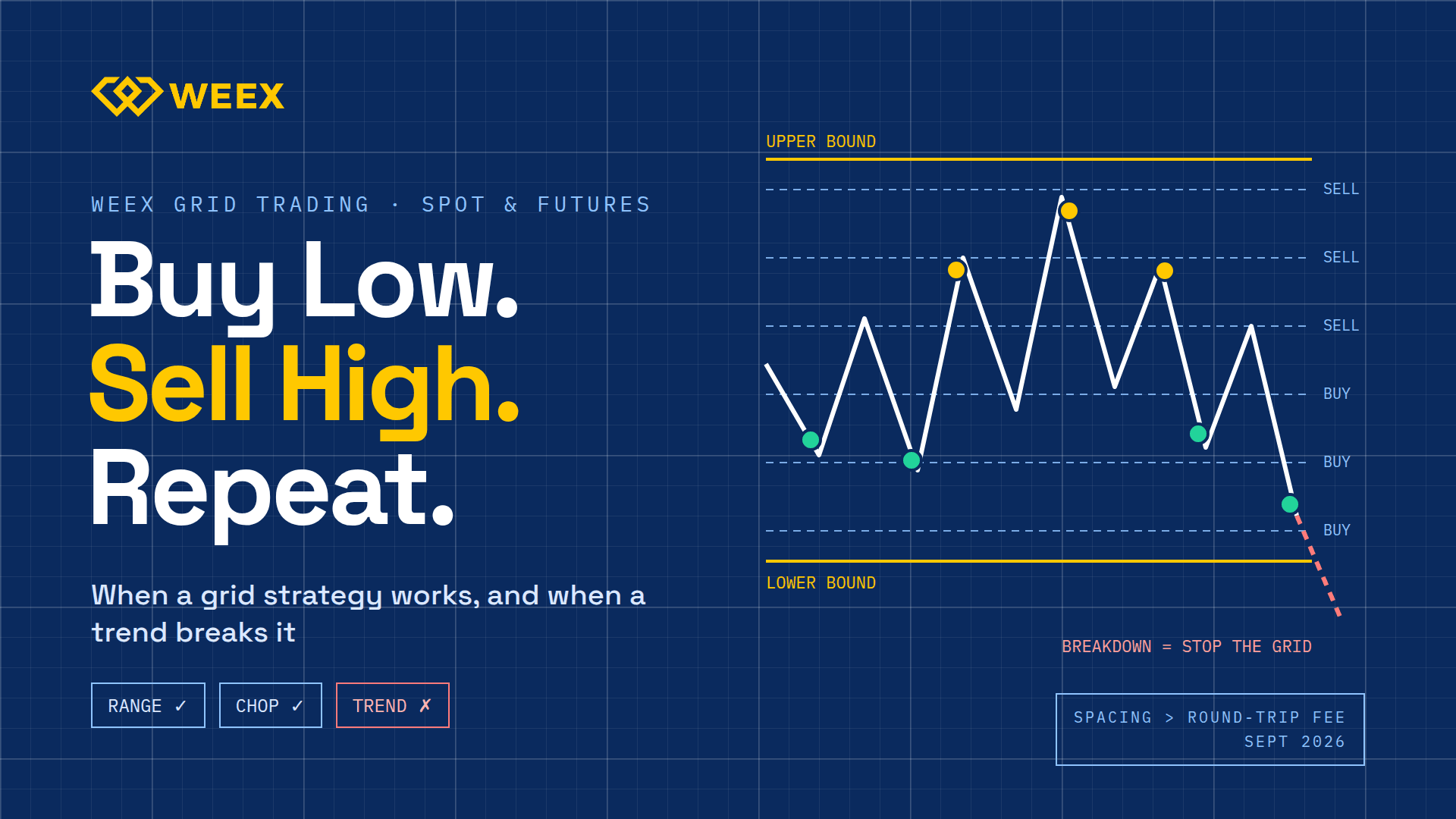
WEEX Grid Trading: When a Grid Strategy Works and When It Fails
Ethereum Futures Trading: How to Size ETH Positions and Read PnL

What Is a White Label Crypto Exchange? A Complete Beginner's Guide
Is Hyperliquid Safe? Risks You Should Know Before You Trade

What a Blockchain Explorer Can and Cannot Tell You

How to Look Up a Wallet Address and Transaction History
How to Verify a Crypto Transaction With a Blockchain Explorer?
BTC Futures Trading on WEEX: Claim BTC Rewards Before Sep 25
What Is a Funding Rate? How Perpetual Futures Charge Longs and Shorts
Perpetual Futures for Beginners: Margin, Funding and Liquidation Explained
What the LUSD Attack Shows About DeFi Risk
What Is BONK? WEEX Spot and 1000BONK Futures Status and Risk Checks
WEEX Review: The Latest Fees, Features, Security and Trading Experience
What Does the Kalshi–S&P Dow Jones Deal Mean? Event Contracts vs. Index Investing
Tokenized Stocks Explained: What to Check Before You Trade
Bloom Crypto Bot Wallet Drains: What Happened and What Users Should Check
Crypto Convert vs Transfer vs Bridge: Which Action Do You Need?
Is United States Dividend Fund (USDF) Legit? What Website Checks and Reddit Actually Show
Contents
Popular coins
Latest articles



